The Complete Shipping Container Home Office Conversion Guide
As home working has skyrocketed in recent years, converting a shipping container into an office has emerged as one of the more creative home working options. With far more flexibility and advantages than a thrown together desk in a bedroom or living room, they provide a stable, fully-functional workspace.
We explore what makes converted shipping containers such a practical option. We cover planning permission, designs, security and costs - everything you should consider when designing your unusual new workspace.

Why Shipping Containers Make a Great Home Office
Privacy
Working from home can be a nice change from the office, but it’s often easy to get distracted by children, chores, or the book that you’re halfway through. Having a separate home office away from the house can give you the space you need to concentrate on work and have some separation from your day to day tasks.
It can be somewhere to close the door to at the end of the day that keeps your work space completely separate from your home life. A container home office can also be more private than either a traditional office space or a space inside your home. It is also still within easy reach of your home, so there’s no panicking that you’ve left your laptop at the office!
Space & Flexibility
Converting a container into a home office can also give you the benefit of choosing how your office is set up. Do you just need enough space for a desk to work on your own, or will you be welcoming visitors into your office?
While the most common container size is 20ft, shipping containers can range from 4ft to 40ft. This variety means that you can be completely flexible in setting up your perfect office space.
Move Your Container Anywhere You Need
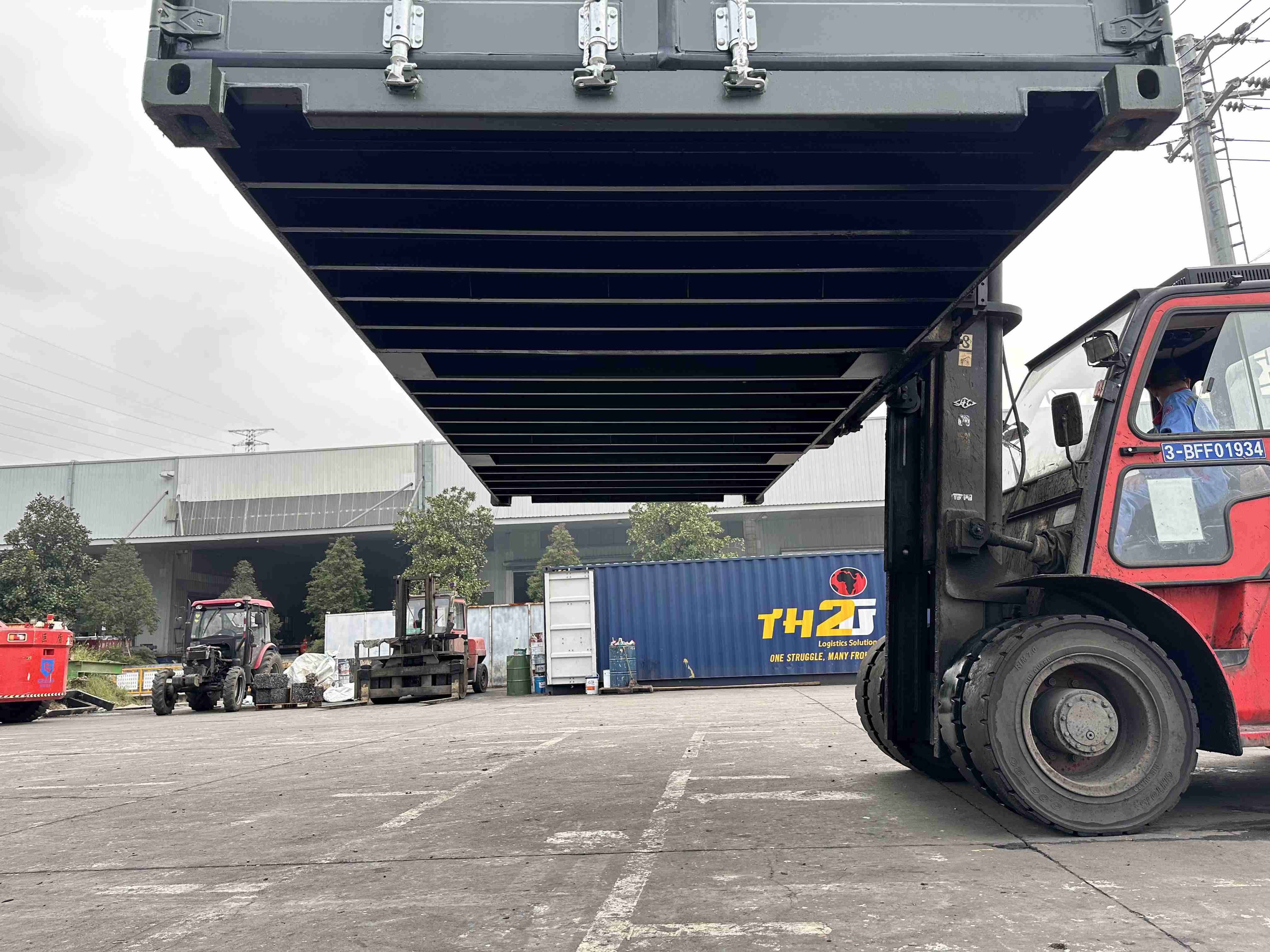
Moving house? If your home office is in a shipping container then you have the option of bringing it with you. Shipping containers are built for transportation, but do require specialist vehicles and equipment. If you’re planning to move your shipping container office in the future then keep this in mind when choosing modifications like electrics, plumbing, or decorations.
Strong & Durable
Brand new containers can last up to 50 years if they’re well looked after. Even used containers can still have anything from 10 to 30 years of life left. This makes shipping containers a durable choice for your home office conversion.
If you’re looking for a second hand container, a ‘one-trip’ container has only been shipped once and is usually in excellent condition. However, you will be paying for the good condition that it’s in, so this may not be the best option for those on a budget. Well-used second hand containers are still a good option for converting. Just make sure that with any container, you thoroughly check for any cracks, rust, or leaking. A watertight and corrosion-free container will have a much longer lifespan than one that hasn’t been treated.
Easy Maintenance
Shipping containers are relatively easy to maintain in the long term. Keeping a container well maintained will extend its lifespan and alert you to any early issues that need to be addressed.
The main areas to check are the roof, any cut in features like windows or fans, and any added electric or plumbing ingresses. Look for any areas of corrosion, any pooling water on the roof or the surrounding foundation, or any leaks inside the container.
Do I Need Planning Permission for a Home Office Shipping Container Conversion?
The short answer is: probably, but you should definitely check with your local authority. There are a lot of different rules and regulations surrounding additional structures on your property, and they can be different depending on your circumstances. Making sure that you have the right or required planning permissions for your container conversion means that you can avoid any costly additions that may need to be removed.
Planning Permission
Generally, you will need planning permission for permanent structures. Especially if they are over a certain size or have permanent electricity or plumbing. The best option is to contact your local authority while you are still in the planning stage of the project. They will be able to advise on whether you need planning permission and what is required for the permission to be approved.
Building Regulations
Building regulations are the minimum standards that need to be met for health, safety and energy efficiency. These are completely separate to planning permissions, though you may need both. If you’re converting a container into an office then you will need to meet the regulations for things like insulation, ventilation, fire safety, certain structural changes, and for any services including electrics, plumbing, or sewage. You can check with your local authorities to see what regulations you need to meet. Any professionals that you hire for this project will also be able to advise you on these regulations.
Insurance
Insuring your home office conversion is not a legal requirement, but you need to consider the cost of insurance versus what you could lose. For those with valuable equipment stored in their office, insurance could be essential should the worst happen. Sometimes your existing home insurance can extend to outbuildings like a garden office, but you should always check with your insurance provider to be sure. Some insurance companies also offer ‘non-standard home insurance’. This is commonly for conversions that will be lived in, but may also extend to a home office.
What to Consider When Converting A Container into a Home Office
So, you’ve decided that a shipping container is the best option for your home office, but what’s next? Converting a shipping container into a home office can be a long process, so you’ll want to make sure that you know what to expect each step of the way.
Design & Planning
Taking the time to decide what you want from this conversion will help to prevent any costly mistakes or changes further down the line. It can help to be as detailed as possible at this stage. Things that you may want to consider are:
- Costs
- Container
- Delivery fees
- Conversion materials costs
- Any professional labour or skilled work
- Mechanical, electrical or plumbing system costs
- Interior design
- Security systems
- Any problems that arise and need to be fixed
- Location
- Container type and size
- Legal issues
- Insurance
- Planning permission
- How you’ll use your office
Designs for a shipping container conversion can be different depending on the size and location of the container, and what it will be used for. Larger office spaces for multiple people may need floor and electrical plans. Small home offices might not need to have such detailed plans.
Preparation
Before your shipping container is delivered, you’ll want to prepare the site. Making sure that you have a clear space and a solid foundation can make the delivery process much easier. This can also help to make sure that your shipping container office will last as long as possible. Raising your container off of the ground with a frame or solid slabs can stop moisture from reaching the metal and give you a space for pipes or cables.
When you have your container safely delivered you will need to prepare it for conversion. Clean the inside and outside of the container, checking for any areas of corrosion, cracks, or leaks. These will need to be treated appropriately before you can start to build your home office. The goal is to have a watertight and rust-free shell that you can start to convert.
Doors & Windows
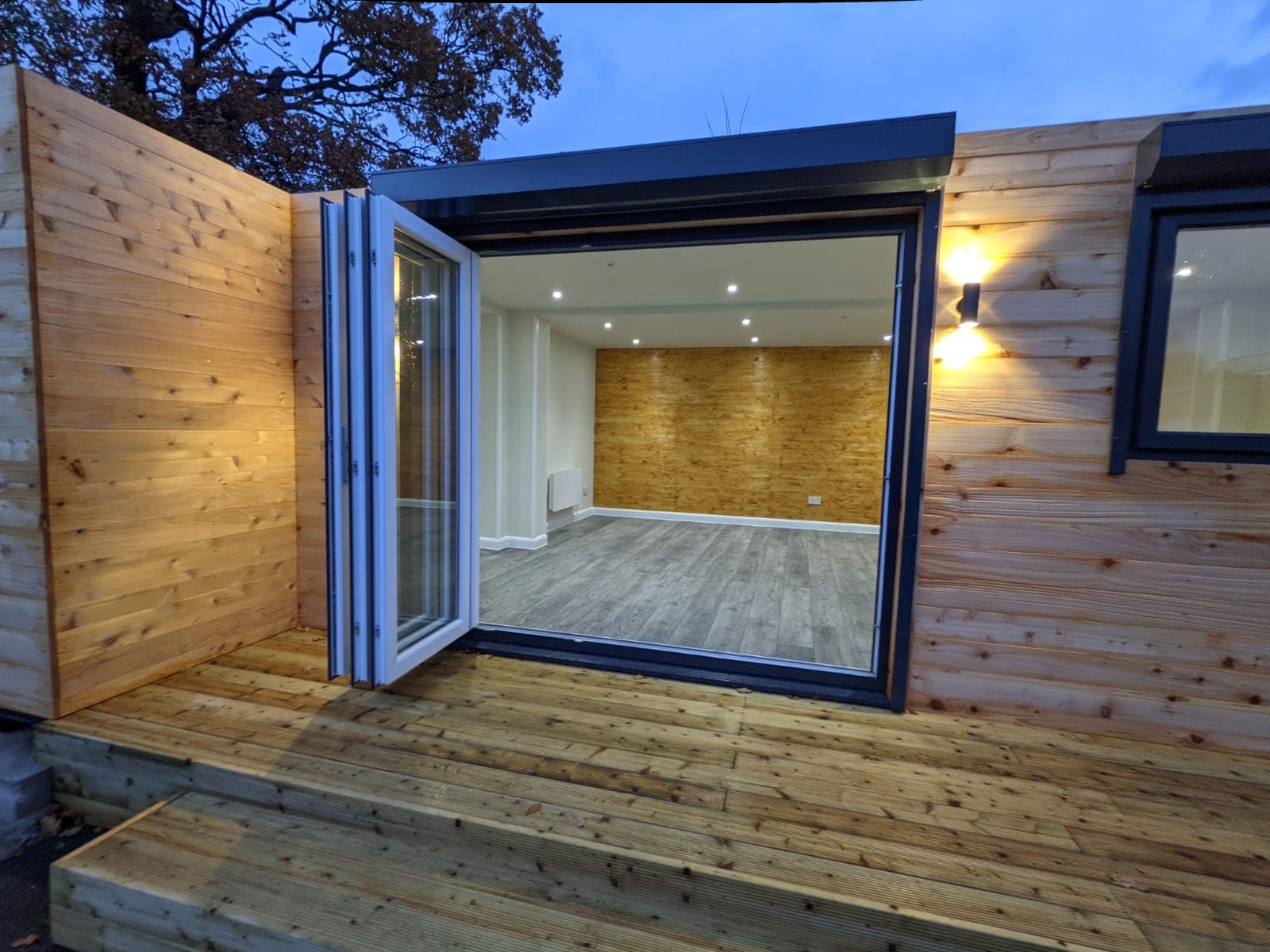
Adding doors and windows to your shipping container office conversion can be the difference between a dark box and a welcoming space. There are various options for doors and windows. Some doors come with keypad entry for extra security. You can get windows of any size, or windows that have an anti-vandal steel shutter. It just depends on what your priorities are for the space.
No matter what you choose, you’ll need to consider whether you’ll need additional structural support. Large openings for doors can weaken the structure of the container and require an additional steel framing structure. You’ll also need to make sure that doors and windows are properly sealed to keep the container weatherproof and prevent any leaks.
Insulation & Ventilation
Insulating and ventilating a shipping container conversion is an essential step that you don’t want to skip or scrimp on. There are many different options for insulation and ventilation materials. You can mix and match multiple options depending on your specific needs and budget.
Insulation can help to stop extreme temperature fluctuations throughout the year, prevent condensation and reduce noise. Ventilation encourages airflow around and out of the container. This takes excess heat and moisture out of the space which can help to stop rust, mould, or odours.
Mechanics, Plumbing & Electrics
Adding in any mechanical, plumbing or electrical work into a shipping container conversion project can make it significantly more expensive. You’ll most likely need to hire a professional tradesperson to make sure that it’s done safely. That means that it’s important to get it right the first time.
Take the time to think about what you’ll need inside your home office and what options work best for you and your budget. It can be best to complete this work alongside installing doors, windows, and insulation.
Electrics
Having an electric connection in your home office can be an essential feature. You don’t want to be running back to the house to charge your laptop! There are a few different ways to get electricity to your office. However, a steel shipping container is a conductive metal box so you’ll want to make sure that you consider safety as a priority.
Direct connection
You can connect your converted office space to a main building by running armoured cables between them. In the main building, you may require a new fuse box and circuit breaker to deal with the extra power being used. Heavy duty cabling is then connected to the fuse box and buried underground. This will run all the way to a consumer unit installed in your office, which can then be connected to lighting or sockets. This process is relatively simple, but needs to meet certain regulations so is best completed by a professional.
Generators
Generators can be an excellent choice for those who need a temporary electricity source. Portable generators are typically powered by petrol or diesel engines and are commonly used on construction sites or as a backup for residences. Inverter generators are a more lightweight generator that produce clean and stable electricity. This can be a better choice for low to moderate power needs, and for powering sensitive electronics like computers or phones.
Solar power
Solar power can be a cheap and sustainable long term choice. Solar power charges a large battery installed in your container. You’ll have power stored even when the sun isn’t shining! However, solar power kits are a high upfront cost and may not suit budget projects. The positioning of your container can also make solar power a poor choice. Not enough direct sunlight may mean that you cannot run your electrics efficiently.
Plumbing
Installing a plumbing system in your shipping container office conversion can be a costly process. Take the time to think about whether this process is necessary. If you’re adding a home office to the end of your garden, can you use your house for plumbing necessities? If you’re adding an office to a construction site, can you hire portaloos instead?
If you are installing plumbing in your office space then there will be additional considerations. Including water supply, drainage, insulation, and waste management will almost always mean that you require planning permission. All plumbing must be certified by a qualified plumber to make sure that it meets building regulations.
Internal Structure
The internal structure of your shipping container can be changed with the addition of features like internal walls and built-in furniture and fittings. Start by covering your exposed insulation with a cladding material such as plywood. Don’t forget to think about the floor and ceiling too! Next, add in any internal walls, making sure to leave spaces for wiring or windows. Finally, build in any furniture or fittings. Built in furniture is less mobile than free-standing, but if you have limited space then building your fittings into the walls can be the better option.
Final Finishes
Your office is almost ready! The main structures are all in place and you just need to add the finishing touches. The space inside shipping container conversions can be limited, so you’ll need to consider what is an essential in your office. For some, you may need to prioritise desk space. For others you may be able to include different additions that will allow you to create chillout or seating areas.
Lighting
The placement of your container and how many windows you have will affect your lighting choices. Flush spotlights can help to highlight certain areas of the container without dropping into the space. However, you’ll need to include them in early plans as there needs to be enough depth in the ceiling for the fittings and wires. Feature lights can look stunning but may take up room. Standing lamps can help to illuminate darker corners, but could take up a limited plug socket. A combination of ceiling lighting and ambience lighting will give you more than enough light to work comfortably.
Flooring
You may want to consider adding in a flooring layer of laminate, vinyl or carpet. The extra layer can help to insulate the container and stop any cold coming up through the floor. Carpets especially can help to soundproof the space, and will also add a cushioning layer which can be helpful for those who are on their feet for long periods of time.
Technology
Technology is an essential addition to any office space, especially if the first task in your work day is turning on your computer! You know what computer systems work best for you, but don’t forget to include accessories like speakers, webcams, standing desks, a wireless mouse and keyboard, chargers, or docking stations.
Wi-Fi
There are a few different ways of having an Internet connection in your home office conversion. Your choice will depend on your budget and circumstances.
Running an armoured ethernet cable from your main home router will provide a high speed and stable connection. Powerline adapters send internet signals through electrical wiring so can be a good option if you already have power in your office. A Wi-Fi extender can be the best option for those on a budget. It simply plugs into a socket in your house closest to the container and extends the signal from the main router. There is also the option of having a dedicated broadband hub in your office. This won’t be connected to your home internet at all.
Storage
Including storage space in your container conversion plans can help to keep the space functional long term. Shipping container offices can be limited in size and if you need extra space in the future then it can be hard to come by. Storage options can include fitted cabinets, open shelving, or simply an empty wall that can be added to in the future.
Home Office Security
Keeping your shipping container conversion secure shouldn’t be something that you leave until the last minute. Sheds and garages are a key target for opportunistic burglars, so taking the steps to deter them should be a key consideration. Best practice is to layer different security options. It’s more effective to have multiple security options rather than one expensive padlock.
There are options for security padlocks, internal and external alarms, motion activated lighting, CCTV cameras, and lockboxes. By thinking about security early on in the project then you can also consider security options like choosing the best location and position for the container.

How Much Does an Office Container Conversion Cost?
Container conversions can be done on a budget or they can become huge luxury projects. It depends on how much you want to spend, how quickly you’re looking to complete the project, and how you want to use the space. Want a top-end office space for an entire team that’s completed in weeks? That’s going to cost you significantly more than a simple office space that you convert on your own.
You can break the project down into different stages and reflect on the cost at every point to give you a better idea of costs. There may be some areas that you’re happy to do on a budget, and some that you’ll want to hire professionals for.
How much does a shipping container cost?
The cost of shipping containers varies based on whether you’re buying new or second hand. Used shipping containers can be up to 30% cheaper, but this can heavily depend on its use case and wear and tear.
Shipping container costs are also impacted by various global factors. 9 in 10 containers are manufactured in China, so any disruption to industry there has a direct impact on prices. Containers are made from steel, so the price of raw steel impacts manufacturing and sale costs. Higher oil and fuel prices influence operating costs for container ships, which leads to higher cargo rates, affecting the cost of shipping containers themselves.
Changes to international tariffs and wars in regions linked to production or shipping will affect container prices too. It’s worth being aware of what impacts shipping container costs, as some factors are more predictable than others.
2026 Container Price Ranges
These prices are a best guideline at the time of writing. We always recommend getting a fresh quote when you’re ready to purchase a container.

Conversion Materials and Labour Costs
The actual conversion process is the stage where there can be the most variation in costs. Top end materials and hired professionals will be expensive, while budget materials and DIY options can make your money stretch further.
Material Costs
These prices are a best guideline at the time of writing. Based on a 20ft container. We recommend doing your own research to get a more accurate cost for your conversion.
Labour Costs
These prices are a best guideline at the time of writing. We recommend doing your own research to get a more accurate cost for your conversion.
Finishing Costs
These prices are a best guideline at the time of writing. We recommend doing your own research to get a more accurate cost for your conversion.
Total Costs
There are so many factors that go into the cost of a home office shipping container conversion. Each project will be completely different, have different requirements, and there will be different priorities. The costs that we’ve given are a guideline to help you plan a reasonable budget for your project.
Based on a 20ft container conversion you could be looking at £4000 - £6000 on a conservative budget and £15,000+ for a higher end project. Make sure that you take the time to plan out your project before getting started for a more accurate idea on costs. Remember to add in a financial buffer in case of problems, and overestimate how much everything costs. It’s always better to have money left at the end of a project rather than over spending!
Shipping container home office conversions can offer a sustainable and durable choice for people looking for a work space outside of their home or a traditional office space. The options for customisations are unmatched so you can create a space to match your specific needs.
If you’re planning on undertaking a container office conversion then make sure that you take the time to plan out your project from start to finish. This will help you to create realistic budgets and timelines, and make the actual process run more smoothly.