The Complete Guide to Shipping Container Security
So you’ve bought a shipping container. You’ve filled it with products, tools, a workspace, or even your home. How do you now make sure that your belongings are secure against potential theft?
We explore different options for shipping container security, explain the benefits of layered security, and offer some tips for securing containers on construction sites and residential properties.
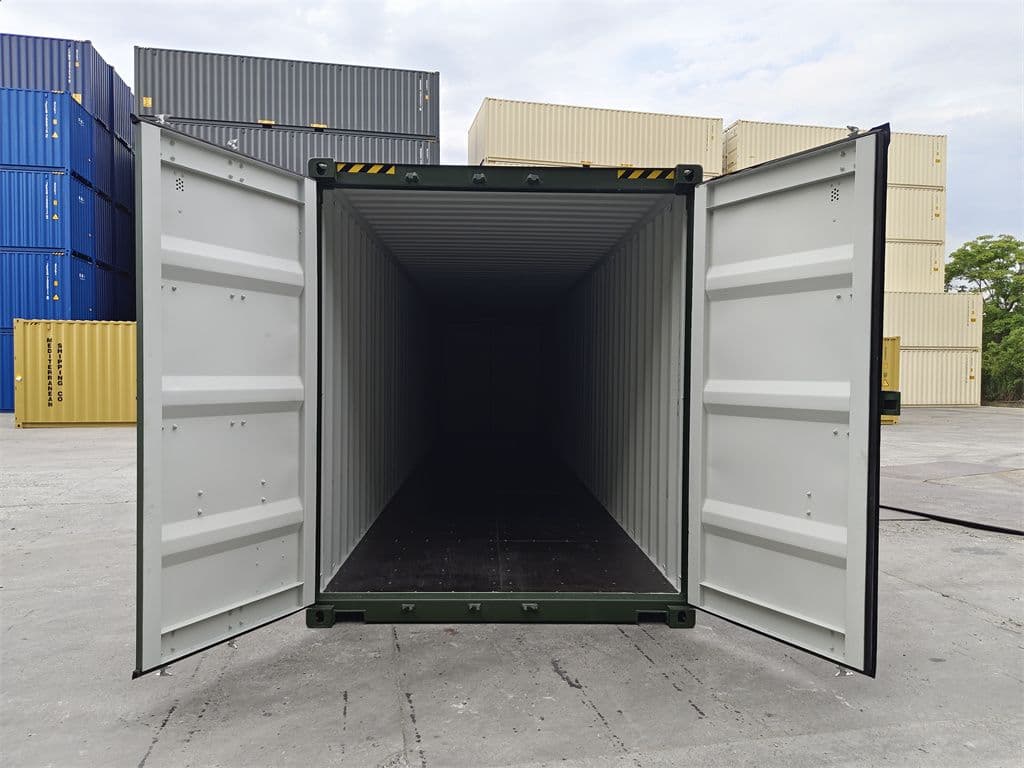
Why do you need to keep your shipping container secure?
The vast majority of burglars are opportunistic. They usually enter a property through unlocked doors or windows. Burglaries tend to increase during summer months when people are more likely to leave windows open.
Sheds, garages and other outbuildings also tend to be a prime target as they are usually less secure than a house. 92% of construction companies have experienced theft on site. These statistics show that shipping container security should be something you consider seriously, no matter what you’re using the container for.
Thefts or criminal damage to your shipping container can affect you financially and psychologically. Products, tools, or work items can be time-consuming and costly to replace. If your shipping container is your home then it can be jarring to know that your personal space has been violated.
While many crimes are reported, the majority of burglaries are left unsolved. The best way to avoid being part of this statistic is to stop a crime from being committed in the first place! Adding robust shipping container security will help to deter any would-be criminals.
Common issues with shipping container security
Not getting the right security for the container’s use
You’ll need to consider different security options for different container use cases. Shipping containers used for storing expensive tools on a building site won’t need the same security as a converted home office in your backyard.
Not layering security
One single security option may not be enough to keep your shipping container secure. Best practice would be to layer different types of security. This will create a secure combination that will stop criminals in their tracks.
Not thinking about long term security
How long are you planning to use your shipping container? You might add windows and doors now, but what if you want to use your container for storage in the future? Taking the time to consider the lifecycle of your container will save you from having to make costly changes further down the line.
Not getting insurance
Insurance is an added cost that you may not have considered in your budget. However, making sure that your container and its contents are properly insured can help you should the worst happen.
Types of shipping container security
There are a variety of different ways that you can secure your shipping container. You’ll need to keep in mind factors such as what the container is used for, how long you’ll need to keep it secure, and your budget. Some security can be expensive but with so many options you’ll be sure to find the right fit for your container.
Positioning
Where you place your shipping container can influence how secure it is. Obviously, this is different for every project, but you should take the time to find a secure placement before your container is delivered. Is your placement choice covered by existing security cameras or lighting? Is it in view of other buildings? Is it next to any public right of way or on the very edge of your property?
Choosing a position that is well-lit, regularly seen or used, and secure can be an excellent first step to combatting opportunistic criminals.
Locks
Locks are one of the most commonly used security options. However, there is more that you need to consider when locking up your shipping container. There are many different types of locks that can be used on their own or in combination with each other.
Padlocks
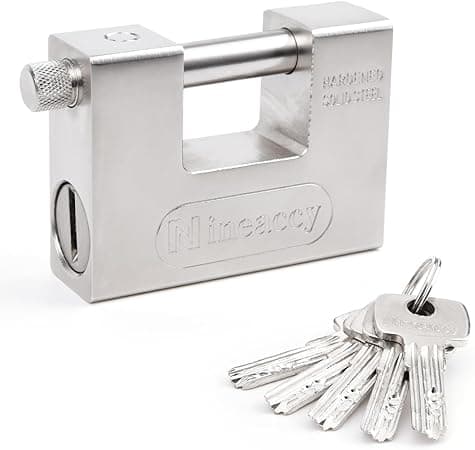
The Central European Norm (CEN) is a standardised and widely used way of measuring how good a padlock is. Padlocks are graded from 1-6 based on a variety of different factors. Grade 1 and 2 padlocks are generally used for toolboxes. A minimum grade 3 padlock is usually required for insurance purposes on sheds or garages. For shipping containers a padlock that is grade 4 or 5 is usually sufficient, but high value containers may require a grade 6 padlock.
In the UK we use these CEN grades, but we can also use the standards of Bronze, Silver, Gold or Diamond.
Lock Boxes
Shipping container lock boxes are heavy-duty steel boxes that are attached over the padlock. This stops thieves from reaching the padlock unless they have highly specialised tools.
Lock boxes can be welded on, but this requires hiring a welding professional. There are also options for bolt-on lock boxes that can be installed by anyone with a drill. Just remember that lock boxes need to fit snugly around the padlock. Measure your padlock and your lockbox to avoid buying anything twice!
Crossbar Locks
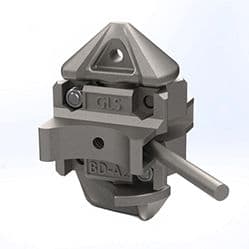
Crossbar locks are steel bars that clamp and lock horizontally across the vertical locking rods on a container door. This type of lock stops the doors from opening, even if the padlock has been removed. They are easy to install as they don’t require any welding or permanent modifications to the shipping container.
Alarms
Adding an alarm system to your shipping container can alert you to any issues even when you’re not on site. For a shipping container conversion wired alarms can be installed on the interior and exterior. If you don’t have electricity in your container then there are plenty of wireless alarm options that use WiFi or Bluetooth.
There are also options for alarms that are incorporated inside padlocks. These can produce a loud sound when tampered with, scaring off any criminals and alerting anyone nearby. Motion-detector alarms are a good option for inside the container or by the doors. However, they can become a nuisance if they are triggered by a busy site.
There are a lot of different options for alarms and alarm systems. Take into account what your container is used for, your budget, and the area around your shipping container.
Doors and Windows
The doors and windows that you install will differ depending on whether you’re using your container for storage, a workspace, or as a residence. You may need to consider aesthetics for a residential space or fire safety for a workshop.
In terms of security, look for doors and windows with steel frames, multi-point locking systems and reinforced glass. Some doors can also be fitted with additional locking systems such as a keypad. There are also options for additional security features such as shutters that cover windows when the container is not in use.
Take care to install windows and doors according to the manufacturer’s instructions. There’s no point in having a secure window/door if criminals can simply cut around it!
Lights
Having a well-lit perimeter with no dark corners or blind spots can stop people from sneaking around your container. How much lighting your specific site needs depends on a variety of factors. You won’t want to add floodlights in your back garden to light up your converted home office, and you won’t want unobtrusive wall lights when you have an entire construction site to keep safe.
The best practice is that security lights should be placed at about 6-10 feet high. They should also be placed in high traffic places such as driveways, paths, or any other entrances. There are options for motion-detected lights, dusk to dawn timed lights, continuous floodlights, and many more. Less invasive lighting can still be a deterrent.
There are many different options for outdoor lighting that illuminates the area around your shipping container. Just remember to choose lighting that is IP-rated and safe for use outdoors.
Cameras
Adding cameras to your shipping container can help to deter or identify criminals. These can come in the form of heavy duty CCTV cameras, tiny wireless door cameras, or anything in between. Add multiple cameras to your shipping container and the surrounding area to get a full picture of what is happening when you’re not there.
Just remember that if your cameras record any public area around your property then you are subject to data protection regulations. There are strict rules that CCTV operators must follow when recording or releasing footage.
Security Guards
Security guards can be an expensive choice, but can be effective for short-term security around high risk containers. Some construction sites or storage sites can have private security included in ground rent costs.
Adding signs that state that the area is patrolled or that there are guard dogs can deter anyone. Placing signs near boundaries or public right of ways can be especially effective.
Insurance
Insuring your shipping container is not a legal requirement, but you have to weigh the cost of insurance against what you risk losing. There are different types of shipping container insurance that cover contents, travel, or the container itself. You may need different types of insurance depending on what you’re using the container for. For example, containers that have been converted into a home office can sometimes be included in your properties’ home insurance.
There are many different insurers who can provide advice or insurance for your container. Look for companies who offer specific shipping container insurance, or ‘non-standard home insurance’. If you’re converting a shipping container then remember to consider building regulations as well as insurance.
Weatherproofing
Security doesn’t have to just mean against crime! Keeping your shipping container secure from the weather keeps your contents in good condition. UK weather is notorious for being wet and miserable. Make sure to consider different waterproofing options and secure your container from leaks, corrosion, or rust.
Steel containers can also get hot in the summer and freeze in the winter. Making sure to insulate your shipping container properly can help to deal with any extreme temperature fluctuations.
Layered Security
Layering different types of security together can be significantly more effective than having a single security option. These security options can be influenced by things such as budget, location, or container use. However, there are certain best practices that you can use in any situation. Using at least one each of the below options will give your shipping container a good level of security.
Perimeter security options
Using any of the following options around your site or property will create a more secure environment for your shipping container.
- Security guards
- Secure fences or boundaries
- Cameras or CCTV
- Lighting (switched or motion-detected)
- Container positioning
Exterior security options
These security options are best used on the outside of your shipping container to stop potential thieves from breaking into the container itself.
- Alarms
- Motion activated lighting
- Cameras
- Padlocks
- Lockboxes
- Crossbar locks
- Doors and windows
Interior security options
Interior security options are a last defense in protecting your goods from intruders.
- Internal alarms
- GPS trackers on valuables
- Securing valuable equipment with padlocks
Securing shipping containers for transport
There are numerous rules and regulations surrounding transporting shipping containers. If you’re hiring someone to help you with transport then they will ensure that your container meets all of these requirements. There can be hefty fines for shipping containers that are not transported correctly or that are in poor condition. You also don’t want your container or the contents to be damaged in transit. If you have any specific questions about transporting a shipping container then they should be directed to a logistics professional.
Exterior security
Making sure that your container is secure from the outside is important. Checking your container for structural damages, rust, or cracks can prevent your container being damaged further.
Shipping containers should also be securely locked from the outside. Padlocks, lock boxes, and even crossbar locks can all be used to keep your container secure during transportation. Ports, warehouses, and lorry services can all be prime targets for thieves looking to break into shipping containers, so having a number of deterrents is important.
Interior security
Shipping container transport regulations also extend to the contents that are being shipped. A logistics company should discuss all of this with you, but things to consider include weights and weight distribution, the type of goods, and what materials they are made of.
To keep the contents of your container secure during transport then you should make sure that it is appropriately and efficiently packed. Use as much of the space that you can to stop goods moving around and getting damaged. Make sure that the contents are lashed down with straps or chains to the container’s anchor points. Use timber or metal (shoring) to brace your goods, or foam and airbags (dunnage) to fill the empty space around your cargo.
How much does it cost to secure a shipping container?
There are so many options for security that the cost of securing your shipping container can be as much or as little as you want. If you have a smaller budget then you may want to consider low cost options like container placement, security lighting, or good quality padlocks. Higher budgets let you include high-tech options such as motion detected cameras, vibration alarms, or even security guards.
When thinking about your budget, it can be best to prioritise adding in more security options. A container with basic lighting, locks, alarms, and cameras is more of a deterrent than a shipping container with one expensive padlock.
Tips to secure different types of shipping container:
Converted shipping container home
- Include ambient outdoor lighting to keep the site well lit
- Make it known that people live there full time
- A car outside
- Motion detected lighting
- Interior lights on timers
- Adding cameras
- Making sure that your security options are signposted
Storage container on a construction site
- Implement security across the site
- Security guards
- CCTV cameras
- Security lighting
- Place your container in a secure location
- Add exterior security options
- Padlocks
- Lock boxes
- Crossbar locks
- Place containers next to each other
- Block container doors with vehicles
- Add cameras to be able to see the containers
Back garden office space
- Add outdoor ambient lighting to illuminate pathways and doors
- Place the shipping container where you have a clear line of sight from your property
- Remove excess greenery that could be used as a hiding place
- Make sure to lock all doors and windows when not in use
- Consider adding a camera that covers the container
- Keep valuables in your property rather than the container
Temporary storage space
- Invest in security options that can be reused elsewhere in the future
- Removable lighting
- Good-quality padlock
- Wireless cameras
- Place the container somewhere visible
- Add additional security to goods inside the container
- Padlocks
- GPS trackers